Start Small, Grow Big: A Beginner's Guide to Aquaculture
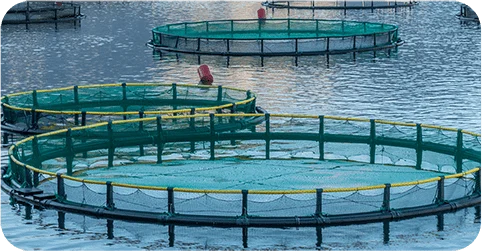
While farmers tend their fields, a quieter, equally powerful form of food production is spreading across backyards, compounds, and small plots of land — aquaculture. The practice of farming fish and other aquatic organisms is no longer reserved for large commercial operations near rivers and lakes. Today, a modest pond or a set of tanks in your backyard can produce a reliable, high-value harvest and a steady stream of income.
This guide is for the curious beginner — someone who has heard about fish farming, wondered if it could work for them, and wants a clear, honest roadmap to get started.
What Is Aquaculture?
Aquaculture is the controlled farming of fish, shellfish, or aquatic plants in ponds, tanks, cages, or other enclosed water systems. Unlike fishing — which depends on what nature provides — aquaculture puts you in control. You decide what species to raise, how many, how fast they grow, and when to harvest.
While farmers tend their fields a quieter equally powerful form of food production is spreading across backyards compounds and small plots of land aquaculture The practice of farming fish and other aquatic organisms is no longer reserved for large commercial operations near rivers and lakes Today a modest pond or a set of tanks in your backyard can produce a reliable high-value harvest and a steady stream of income This guide is for the curious beginner someone who has heard about fish farming wondered if it could work for them and wants a clear honest roadmap to get started What Is Aquaculture Aquaculture is the controlled farming of fish shellfish or aquatic plants in ponds tanks cages or other enclosed water systems Unlike fishing which depends on what nature provides aquaculture puts you in control You decide what species to raise how many how fast they grow and when to harvest For small-scale farmers aquaculture offers something rare in agriculture a product that grows continuously can be harvested on demand and commands strong prices in both rural and urban markets Why Aquaculture Makes Sense Right Now Across Zambia and much of Sub-Saharan Africa fish consumption is high but local production consistently falls short of demand The gap between what people want to eat and what is available locally is your business opportunity Fish farming also pairs well with other farming activities Pond water rich in fish waste nutrients is an excellent fertiliser for vegetable gardens Fish feed can include kitchen scraps agricultural by-products and insects reducing input costs significantly The two enterprises feed each other quite literally Add to this the fact that fish reach market weight faster than most livestock tilapia for example can be harvested in as little as six to eight months and the case for aquaculture becomes compelling Step Choose Your System Before you buy a single fingerling decide how you will farm There are three main systems suitable for beginners Earthen Ponds The most traditional and widely used method You excavate or construct a pond fill it with water and stock it with fish Earthen ponds are relatively inexpensive to build maintain good water temperature and can support natural food growth that supplements commercial feed They are ideal if you have land and access to a reliable water source Tank or Tarpaulin Systems Portable flexible and suitable for small spaces Circular tanks made from concrete fibreglass or heavy-duty tarpaulin can be set up almost anywhere including urban compounds They require more intensive management but give you greater control over water quality and stocking density Cage Culture If you live near a river dam or lake you can suspend cages in the water and raise fish within them This method requires little infrastructure but depends on access to a suitable water body and permission to use it For most beginners a small earthen pond or one to two tarpaulin tanks is the best starting point Low cost manageable scale and enough room to learn without high risk Step Pick the Right Species Your choice of fish species will determine how fast you earn how much you spend on feed and how easily you find buyers In Zambia two species dominate small-scale aquaculture Tilapia Oreochromis niloticus The most popular choice for good reason Tilapia is hardy grows fast tolerates a wide range of water conditions and is widely eaten It reaches market weight of to grams in six to eight months under good management Tilapia also feeds on algae and natural pond organisms which reduces your...
Premium Content Locked 🔒
This article is part of our premium content library. Subscribe to unlock full access.