Organic Farming for Beginners: How to Start Without Chemicals
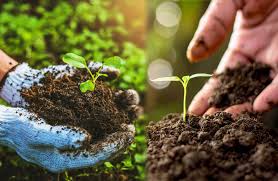
There's a growing movement of people who want to know exactly where their food comes from — and more importantly, what went into growing it. Organic farming isn't just a trend. It's a return to working with nature rather than against it, building soil that gets richer every year, and growing food that tastes the way food is supposed to taste.
The best part? You don't need acres of land or a lifetime of experience to begin. A backyard, a small plot, or even a collection of raised beds is enough to start farming organically. Here's how.
What "Organic" Actually Means
Organic farming is more than simply avoiding pesticides and synthetic fertilisers. At its heart, it's a philosophy of stewarding the land — building healthy soil ecosystems, supporting biodiversity, and producing food in a way that sustains the environment rather than depleting it.
Certified organic operations follow strict guidelines set by governing bodies. As a home or small-scale farmer, you may not seek formal certification, but the principles are the same: no synthetic chemicals, no genetically modified organisms, and a commitment to working with natural systems.
There's a growing movement of people who want to know exactly where their food comes from and more importantly what went into growing it Organic farming isn't just a trend It's a return to working with nature rather than against it building soil that gets richer every year and growing food that tastes the way food is supposed to taste The best part You don't need acres of land or a lifetime of experience to begin A backyard a small plot or even a collection of raised beds is enough to start farming organically Here's how What Organic Actually Means Organic farming is more than simply avoiding pesticides and synthetic fertilisers At its heart it's a philosophy of stewarding the land building healthy soil ecosystems supporting biodiversity and producing food in a way that sustains the environment rather than depleting it Certified organic operations follow strict guidelines set by governing bodies As a home or small-scale farmer you may not seek formal certification but the principles are the same no synthetic chemicals no genetically modified organisms and a commitment to working with natural systems Why Start Organic From the Beginning If you're new to farming starting organic is actually an advantage You won't have years of chemical dependency to undo no compacted biologically dead soil to rehabilitate no pesticide residues to wait out You start fresh build good habits from day one and learn to read your land rather than mask its problems with inputs Organic farming also tends to be more resilient over time Healthy soil retains water better supports stronger root systems and harbours the beneficial insects and microbes that keep pests in check naturally Step Start With the Soil Every experienced organic farmer will tell you the same thing grow your soil first then grow your crops Healthy soil is alive A single teaspoon of good garden soil contains billions of bacteria miles of fungal threads nematodes protozoa and countless other organisms that break down organic matter cycle nutrients fix nitrogen and create the porous structure that lets roots breathe and water drain properly Test your soil before you do anything else A basic soil test available through agricultural extension offices or garden centres tells you your pH nutrient levels and organic matter content Most vegetables prefer a pH between and Knowing where you stand saves you from guessing Build organic matter The foundation of organic soil improvement is compost Finished compost decomposed kitchen scraps garden waste and animal manure feeds soil biology improves drainage in clay soils and improves water retention in sandy soils Work several inches of compost into new beds before planting and top-dress established beds each season Avoid tilling where possible Every time you deeply till the soil you disrupt fungal networks bury surface organic matter and expose dormant weed seeds to light Many organic farmers are moving toward no-till or minimal-till practices using mulch compost and cover crops to improve soil structure without disturbing what's already living there Step Make Your Own Compost Compost is the cornerstone of organic farming It's also free surprisingly simple and one of the most satisfying things you'll make A basic compost pile needs Browns carbon-rich...
Premium Content Locked 🔒
This article is part of our premium content library. Subscribe to unlock full access.