Beekeeping for Beginners: How to Start With One Hive
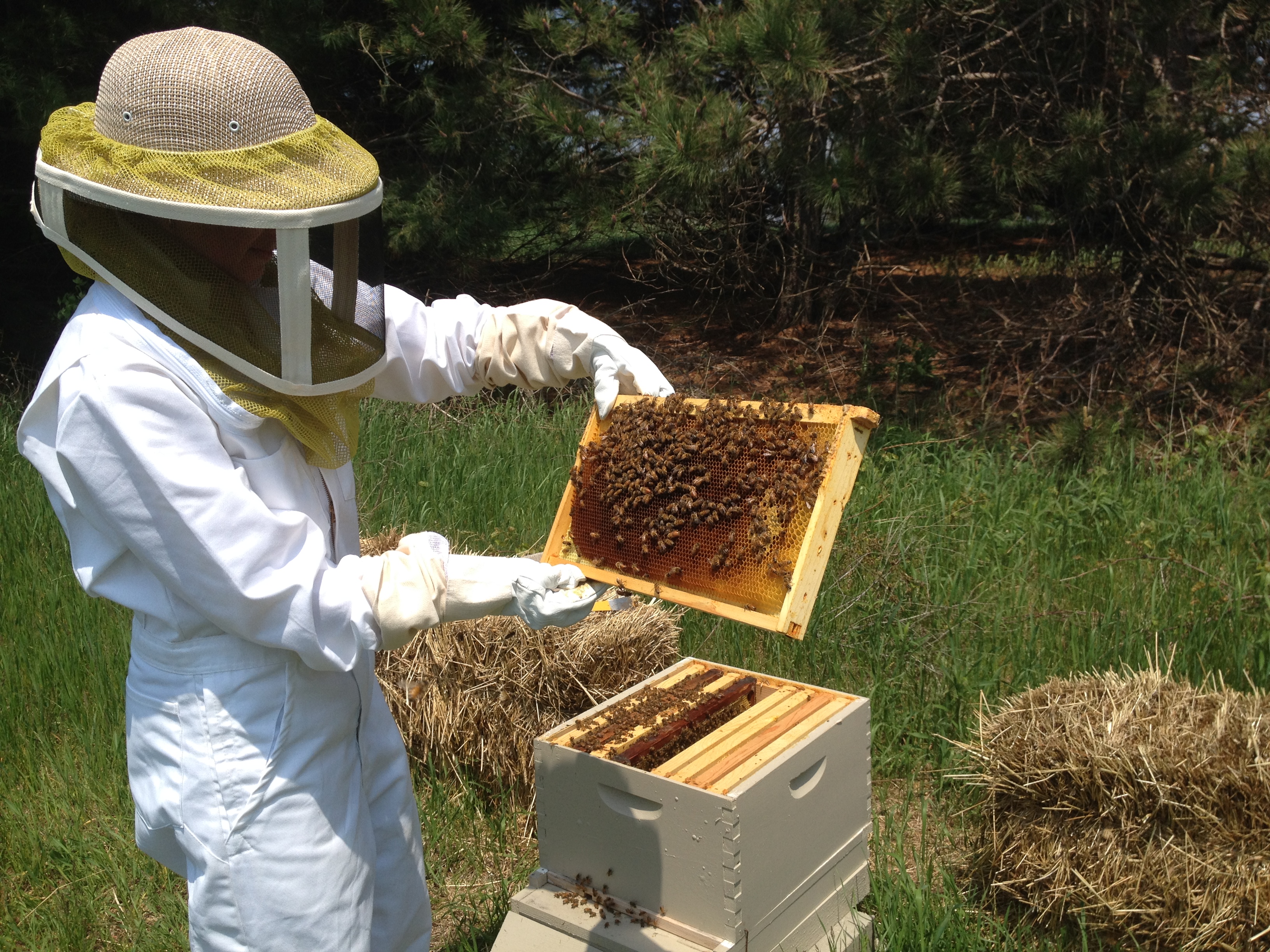
There's something quietly magical about keeping bees. You become a steward of one of nature's most industrious creatures, you contribute to local pollination, and — if all goes well — you get to harvest your own raw honey. The good news is that you don't need a sprawling farm or years of experience to get started. One hive is all it takes.
Here's everything you need to know to begin your beekeeping journey with confidence.
Why Start With Just One Hive?
New beekeepers are often tempted to dive in with two or three hives. Resist that urge. One hive gives you the space to learn the rhythms of a colony — how it grows in spring, how it prepares for winter, how to spot a healthy queen — without overwhelming yourself. Managing even a single hive requires weekly attention during the active season. Master one before you scale up.
There's something quietly magical about keeping bees You become a steward of one of nature's most industrious creatures you contribute to local pollination and if all goes well you get to harvest your own raw honey The good news is that you don't need a sprawling farm or years of experience to get started One hive is all it takes Here's everything you need to know to begin your beekeeping journey with confidence Why Start With Just One Hive New beekeepers are often tempted to dive in with two or three hives Resist that urge One hive gives you the space to learn the rhythms of a colony how it grows in spring how it prepares for winter how to spot a healthy queen without overwhelming yourself Managing even a single hive requires weekly attention during the active season Master one before you scale up What You'll Need Before Your Bees Arrive The Hive The most popular choice for beginners is the Langstroth hive a stackable box system that's widely used easy to find and well-documented A basic starter setup includes A bottom board the floor of the hive One or two deep hive bodies where the colony lives and raises brood A queen excluder keeps the queen out of honey storage One or two honey supers shallower boxes where bees store honey A inner cover and outer cover You can buy complete starter kits from beekeeping supply companies which is the most practical option when you're just beginning Your Protective Gear Never skip protection even calm bees sting when they feel threatened At minimum you need A full bee suit or jacket with veil go for a full suit as a beginner Gloves leather or thick nitrile Boots that tuck neatly under your suit legs Tools Hive tool a flat pry bar for separating frames stuck together with propolis Smoker your most important calming tool smoke masks alarm pheromones and keeps bees docile during inspections Bee brush for gently moving bees off frames A Good Book or Local Mentor No blog post replaces hands-on learning Pick up a copy of The Beekeeper's Handbook by Diana Sammataro and Alphonse Avitabile or find a local beekeeping club Most experienced beekeepers are generous with their time and love introducing newcomers to the craft Choosing and Acquiring Your Bees For beginners the three most common ways to get your first colony are Packaged bees A mesh box containing approximately bees and a mated queen They're available...
Premium Content Locked 🔒
This article is part of our premium content library. Subscribe to unlock full access.